Knee pain. I’ve got it. And thy name is ITBS (iliotibial band syndrome).
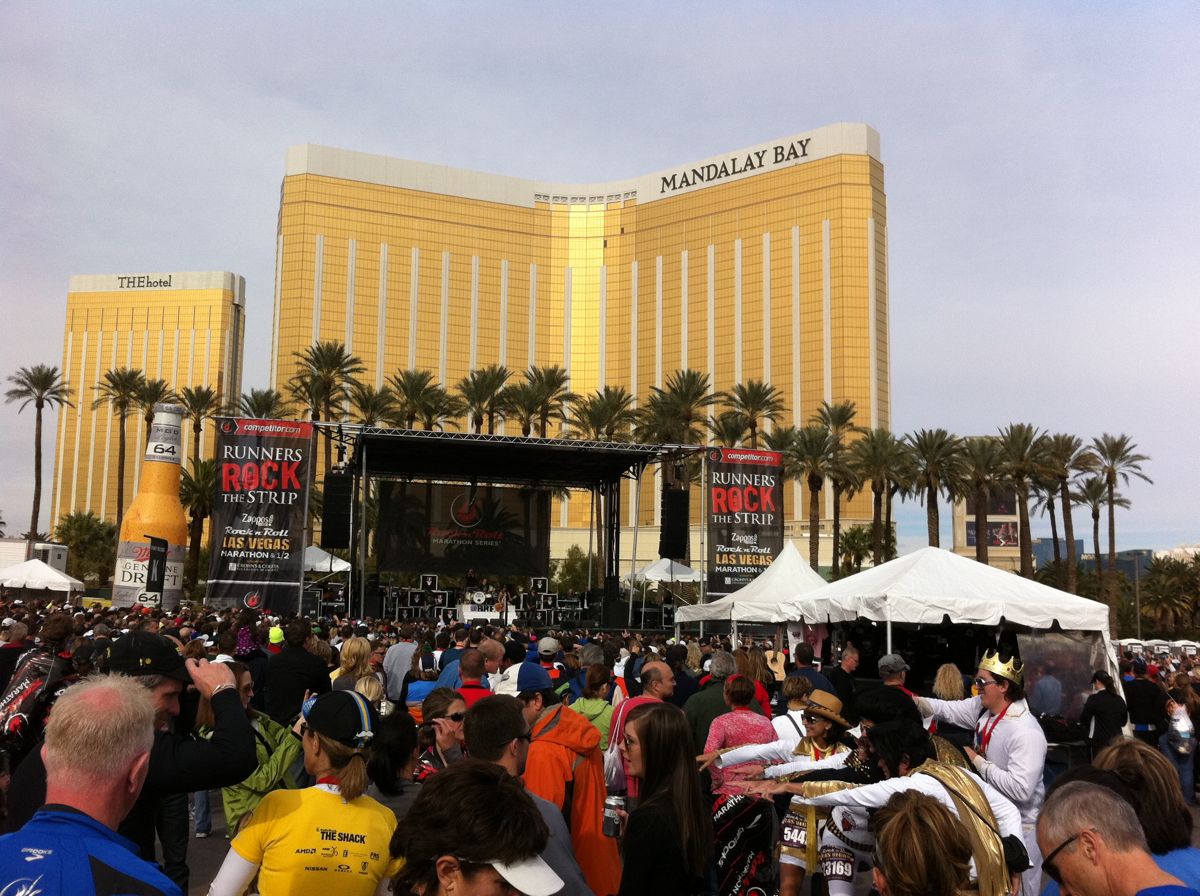
If you hadn’t noticed, I haven’t done much running since finishing my first marathon about 6 weeks ago. No, I didn’t decide to retire from the sport. I still love running, and it’s killing me every day that I can’t run. But pretty much since I got back from Vegas, I’ve had some nasty knee pain that I’m still recovering from.
So what is ITBS, exactly? If you’re relatively new to the running world like me, you may have no idea. I sure didn’t. Until I got it, that is. About 2 weeks ago, I was complaining on Dailymile and Twitter about having some pain on the outside of my left knee. I quickly got several responses that all seemed to agree that my problem was ITBS, which oddly enough, isn’t actually a knee problem at all.
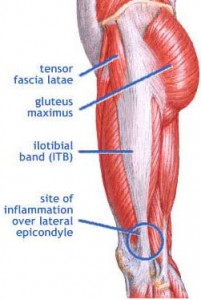 From Beginner Triathlete:
Iliotibial band syndrome is a common knee injury that usually presents as pain on the outer side of the knee. The iliotibial band is a layer of connective tissue beginning at a muscle near the outer side of the hip, and travels down the outer side of the thigh, crossing the outer side of the knee and attaching to the outer side of the upper shin bone (tibia).
Iliotibial band syndrome is caused by excessive friction of the distal portion of the iliotibial band as it slides over the outside portion of the knee during repetitive bending, resulting in inflammation in this area.
Basically, the knee pain is caused by an inflamed IT band rubbing across the outside of your knee. How does the IT band become inflamed in the first place? There are numerous reasons why the IT band can become inflamed, which can make it difficult to pinpoint the particular cause for any one runner. That being said, possible causes include:
- Inadequate warm-up or cool-down
- Excessive up-hill and down-hill running
- Irregularly high or low arches
- Supination of the foot
- Excessive lower leg rotation due to over-pronation
- Uneven leg length
- Bowlegs or tightness about the iliotibial band
- Weak hip abductor muscles
Once I was able to diagnose my problem, I immediately set out to learn as much as I could about it. How to treat it, obviously, but also how to prevent the injury from coming back again in the future.
How to Treat ITBS
As much as I hate it, the first thing I had to do was stop running. The immediate set of treatment for ITBS is RICE (rest, ice, compression, elevation). Also recommended is taking some sort of NSAID (nonsteroidal anti-inflammatory drug) such as ibuprofen or aspirin to help reduce inflammation of the IT band.
Once you’ve got the initial pain and inflammation under control, you’ll want to do some stretches and strength exercises that target the IT band. I’ll detail what has worked well for me in the next section on prevention.
As much as you might want to, don’t try to “push through the pain” if you suspect ITBS. This is one of those injuries that isn’t going to just go away. And the more that you continue to run while injured, the more scar tissue that you’ll end up creating, prolonging your injury even more.
How to Prevent ITBS
From what I’ve read and heard from others, some of the most likely causes of ITBS are lack of stretching before/after running, and muscle weakness and/or imbalance, especially the glutes and hip abductors. I’ve found a number of stretches and strengthening exercises that have worked wonders for me. Of course, every injury is different and your mileage may vary, but I thought it would be worthwhile to pass them on.
Stretches
For purposes of explaining these stretches, I’m going to refer to the injured leg. But it’s just as important to stretch the uninjured leg, to prevent it from becoming the injured leg in the future 🙂
- Standing up, cross your injured leg behind the other. With your arms stretched straight up above your head, slowly lean toward your uninjured leg.
- Laying down, cross your injured leg straight across the other, so that it’s going across your body, and your legs are as close to perpendicular as possible. If needed, use your arm opposite your injured leg to pull it further across your body.
- Sitting, cross the injured leg across the other, with your knee bent. Put the elbow opposite your injured leg on your knee, and turn your body as far toward the injured side as possible.
- Probably my favorite stretch of all is the pigeon yoga pose. It’s a bit difficult to explain in words, so here’s a video demonstrating the pose:
[youtube=http://www.youtube.com/watch?v=FVlX5HNKamw]
While not exactly a stretching exercise, I’ve also found that using a foam roller has worked amazingly well in loosening my IT band. I just bought a foam roller a few days ago, and I can already tell a huge difference. You can get a decent foam roller on Amazon for less than $20, which sure beats the price of a massage – and this you can do whenever (and almost wherever) you need to!
Strength Exercises
- I won’t rehash the entire thing here, but I highly recommend the ITB Rehab Routine from Strength Running, which specifically targets the muscle groups involved in an IT band injury, namely the glutes, hips, and quadriceps.
- Weak hib abductors are a common cause of ITBS, so strengthening them is quite important. Here are some hip abductor exercises you can do at home.
So there you have it, a glimpse into my own personal ITBS recovery routine. I’m certainly not 100% back to normal yet, but with this combination of stretches and strength exercises, I’m confident that I’ll be back up and running soon. And even after I’m back to running again, I plan to continue with these stretches and exercises, so that I’ll hopefully stay injury-free going into the future!
Image from Beginner Triathlete.









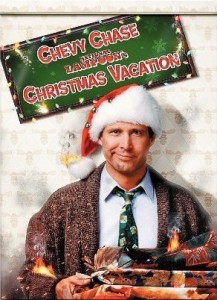 One of my family’s Thanksgiving-weekend traditions has always been to put up the Christmas decorations, having that weekend as the kickoff to the holiday season. But now that our daughter was born on December 10th last year, we decided that we don’t want the focus of the house to be completely taken over by Christmas until after her birthday. So this year, we just put up the outside lights, and will wait until after the 10th to do everything else. I did, however, manage to get in my traditional Thanksgiving-weekend viewing of my favorite Christmas movie of all time –